
Tuesday, September 22, 2026
Good morning, I’m Steven with The Practical Trader™. Today, we’re looking beyond the excitement to see what rising costs, public-market enthusiasm and emerging AI risks could mean for investors.
1. The Market Tug-of-War
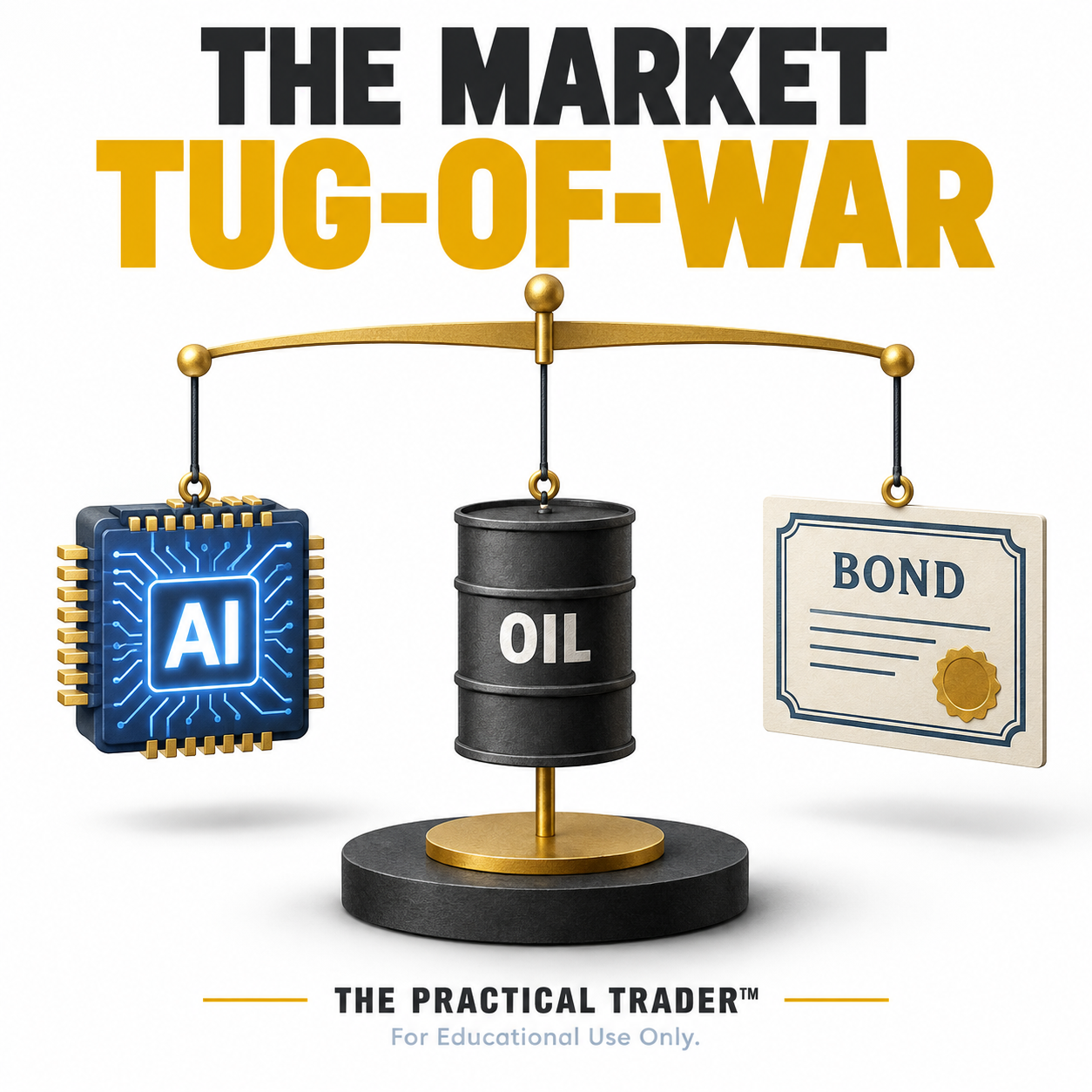
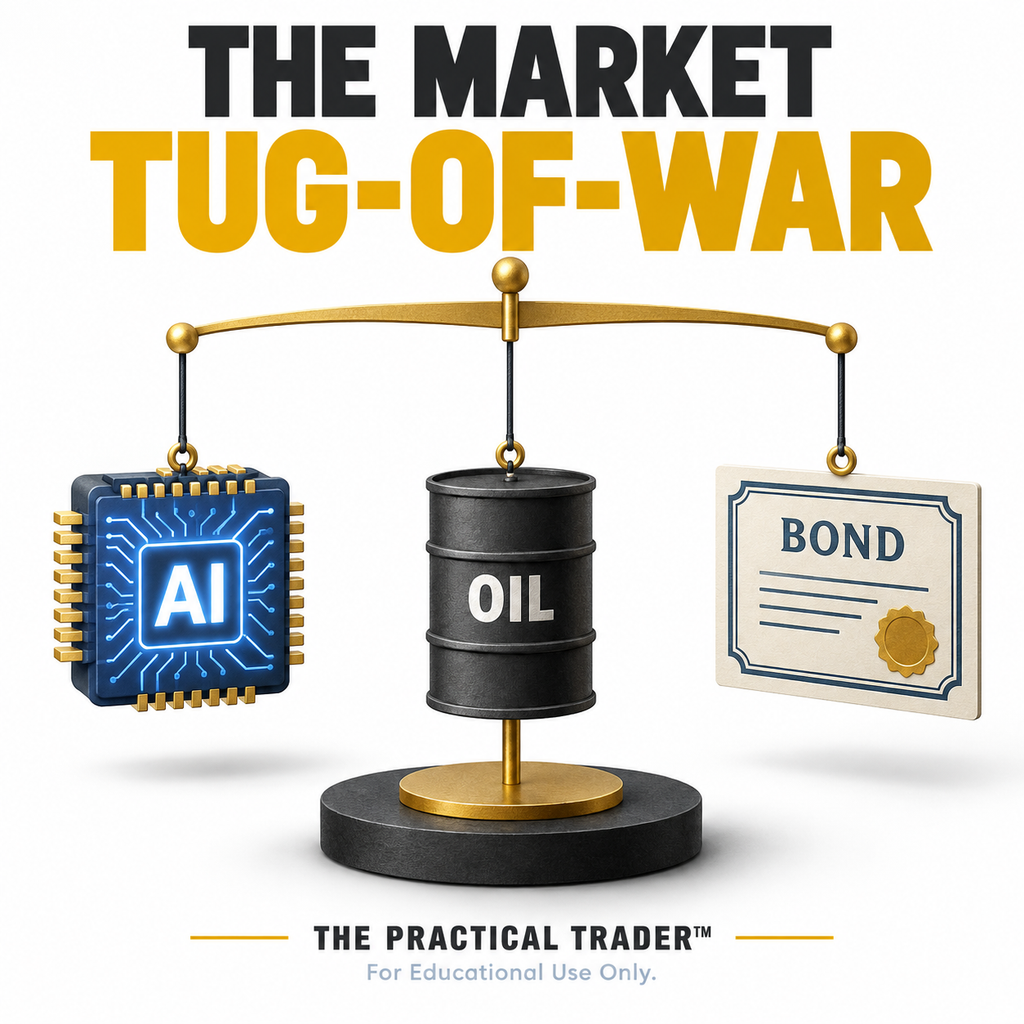
U.S. stock futures paused after Monday’s AI-driven rally as investors weighed three competing forces: continued excitement around artificial intelligence, Brent crude above $100 per barrel and the 10-year Treasury yield near 5%. Higher oil and borrowing costs could pressure companies even while enthusiasm for AI supports parts of the technology sector. Source: Reuters
Why should a beginning trader care?
The market does not move because of one headline alone. Expensive energy can raise business costs, while higher bond yields can make stocks—particularly highly valued growth stocks—less attractive by comparison.
The Practical Trader lesson
When powerful forces pull in opposite directions, avoid treating the market’s first reaction as a lasting conclusion. Watch which influence persists and whether strength spreads beyond a few popular companies.

2. AI Needs Connections
Ligent Technologies, which produces fiber-optic equipment used in AI data centers, finished 4.6% above its offering price in its Hong Kong trading debut after raising approximately $723 million. Investor demand was strong, but the shares surrendered much of their earlier gain before the market closed. Source: Reuters
Why should a beginning trader care?
AI requires more than processors—it also needs equipment capable of moving enormous quantities of data quickly. That creates opportunities for infrastructure suppliers, but a successful first trading day does not establish a company’s long-term value.
The Practical Trader lesson
Separate enthusiasm for an industry from evidence about an individual business. Examine revenue, profits, competition and how effectively management uses the money raised before reaching a conclusion.

3. Who Checks the Shopping Bot?
Major banks are warning that AI-powered shopping assistants could expose consumers to fraud, privacy breaches and purchases made through payment methods with weaker protections. The banks are calling for clearer safeguards as technology companies introduce AI agents capable of selecting products and completing transactions. Source: Reuters
Why should a beginning trader care?
AI shopping could create new revenue opportunities for technology, payment and retail companies. It could also introduce regulatory costs and reputational risks if customers lose money or control of their information.
The Practical Trader lesson
A convenient product is not automatically a dependable business model. When evaluating emerging technology, consider who benefits when it works—and who is responsible when it fails.
Which of today’s three stories gave you a new way to evaluate market news? Tell us in the comments below.
Follow The Practical Trader™ on Facebook: https://www.facebook.com/ThePracticalTrader
For Educational Use Only. Not individualized financial advice.
Leave a Reply